


How Tracy E. Gilchrist is Shaping the Future of LGBTQ+ Storytelling
- Kirstie Nicole

- May 19
- 4 min read

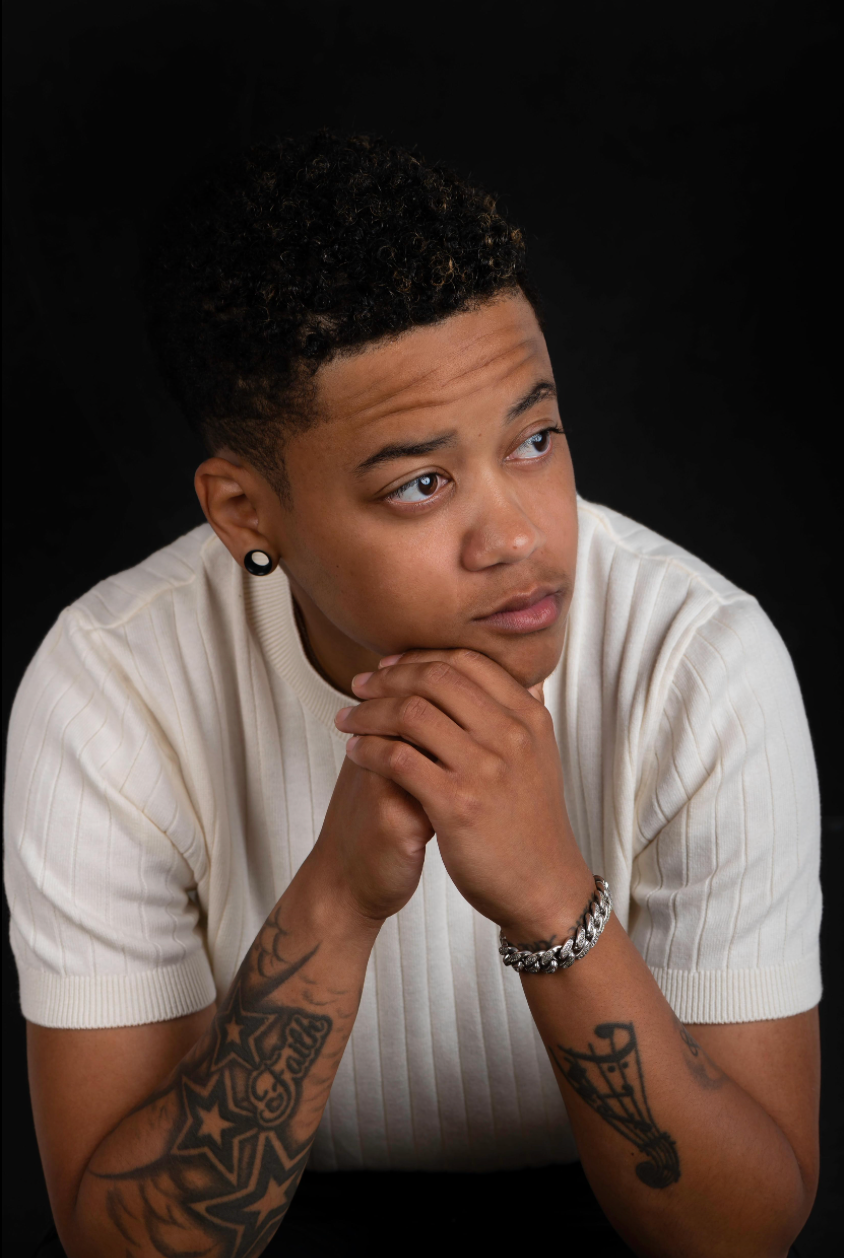
Editor's Notes: What stands out to me about Tracy is not just her work, but the space she’s carved out within an industry that hasn’t always made room for voices like hers. Journalism, especially at the highest levels, has historically been male-dominated, and to see a queer journalist not only exist in that space but actively shape it feels significant. There’s a depth to the way she approaches storytelling; it’s not about chasing moments, it’s about holding them and giving them the care they deserve.
Tracy E. Gilchrist didn’t begin her career set on journalism. In fact, her first dream was acting. She spent her early years traveling the country with a touring theater company, balancing restaurant jobs with auditions and classes, building a life in storytelling before she ever put pen to paper. Journalism found her in a way that almost feels accidental. A friend, rushing to work one day, shouted across the street asking if she wanted to write movie reviews for a local LGBTQ+ newspaper. Tracy said yes. That first review, of Better Than Chocolate, opened the door to something much bigger. From there, she began profiling community activists, slowly shaping what would become a decades-long career in queer media.
Looking back, the landscape she entered was completely different from what we see today. Queer media lived in physical spaces, magazines picked up at bookstores, bars, or community centers. It was tangible, intentional, and often one of the only ways people could find connection. Now, it exists everywhere, evolving in real time across digital platforms. While she spent years working with legacy publications like The Advocate and Out, Tracy recognizes the shift with a sense of optimism. Creators today are building their own platforms, breaking stories, and offering cultural commentary in ways that feel immediate and accessible. That ability to create and share stories directly with the people who need them is something she deeply respects.
Still, even after years in the industry, there are moments that redefine everything. Her now-viral interview with Cynthia Erivo and Ariana Grande became one of those moments. What started as a conversation turned into something much larger, resonating with audiences in a way that felt both unexpected and deeply personal. For Tracy, it broke through the feeling many journalists quietly carry, that they’re telling stories into a void. Instead, she found herself in direct conversation with a community that not only understood the moment, but felt seen by it. That exchange shifted something in her. It became less about simply telling stories, and more about bearing witness to the people receiving them.
That idea of “holding space” has since become central to her work. As the host of Holding Space with Tracy Gilchrist, the phrase goes beyond its surface-level meaning. For her, it’s about presence. It’s about creating an environment where people feel safe enough to go deeper, while also allowing herself to be part of that exchange.
But her path hasn’t been without its own challenges. At one point, Tracy found herself deeply burned out, working long hours as editor-in-chief of The Advocate during the pandemic, often pushing herself to the limit to maintain the quality and integrity of the work. It came at the cost of her own well-being. That experience forced a shift. She began to understand that showing up for her community also meant showing up for herself first. Self-love, for her, became less of an abstract idea and more of a necessary practice.

That same honesty shows up in how she talks about her own “baggage.” Tracy has been open about her experience with imposter syndrome, stemming from being a first-generation college graduate who didn’t earn her degree until later in life. For years, it carried a sense of shame. Now, it’s something she’s actively working through, even returning to her alma mater, Mount Holyoke College, to speak openly about it. In doing so, she’s found something freeing: the realization that even the most accomplished people carry doubt.
At the core of everything Tracy does is a deep respect for storytelling, particularly within the queer community. She believes art and identity are inseparable, that storytelling has the power to shift perception and create change. But she’s also clear about the responsibility that comes with being a leading voice in LGBTQ+ journalism. "It’s not just about telling stories, it’s about making space for others to tell theirs, especially those whose voices have historically been overlooked." She speaks candidly about the need for queer media to more boldly address privilege and uplift BIPOC, nonbinary, and trans voices, recognizing that true progress requires collective care.
.
For Tracy, authenticity is what makes all of this possible. In a world that often feels curated and performative, she believes people can still recognize something real when they see it. It’s what made that viral moment resonate, not because it was perfectly crafted, but because it wasn’t. It simply existed as it was, and people connected to it.
And maybe that’s what her work ultimately comes back to. The ability to hold space, to listen, to reflect, and to remind people that their stories matter.
Follow Tracy's Journey:
🌈 Looking for more LGBTQ+ Stories? Follow us below:
Follow She Comes With Baggage Media:
Instagram: @scwbmedia
Follow She Comes With Baggage Podcast:
Instagram: @scwbpodcast
Tiktok: @scwbpodcast


Comments